
The Essential Checklist for Signing a Residential Lease Agreement
Signing a residential lease agreement is a significant step in the rental process. Whether you are a first-time renter or have rented multiple times before, it is crucial to understand the terms and conditions of your lease thoroughly. A lease agreement is a legal document that outlines the responsibilities and rights of both the landlord and tenant. It provides a clear understanding of the terms and conditions of your tenancy, including rent payment, lease term, and property maintenance. To ensure a smooth and hassle-free tenancy, here is an essential checklist for signing a residential lease agreement.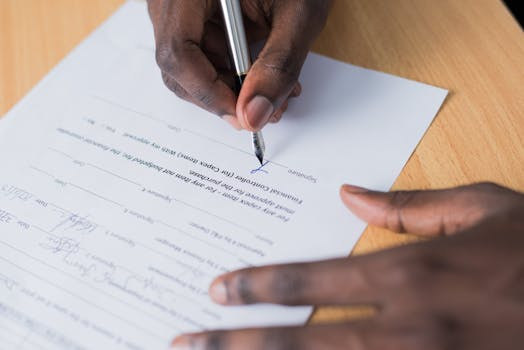
1. Review the Lease Agreement
The first and most crucial step in signing a residential lease agreement is to carefully review the document. The lease agreement will specify the property’s address, the lease term, rent amount, and any additional conditions agreed upon by both parties. Take the time to go through each section thoroughly and clarify any doubts with the landlord. It is essential to understand all the terms and conditions before signing the lease.
2. Understand Your Rights and Responsibilities
Before signing the lease agreement, it is vital to understand your rights and responsibilities as a tenant. These may include maintaining the property’s cleanliness, paying rent on time, and not making significant alterations to the property without the landlord’s consent. Additionally, you must also familiarize yourself with your landlord’s rights, such as entering the property for repairs or emergencies.
3. Ask Questions
If you have any questions or concerns about the lease agreement, do not hesitate to ask your landlord. It is crucial to clarify any doubts before signing the lease to avoid any misunderstandings in the future. Some questions you may want to ask include the consequences of breaking the lease, the process for renewing the lease, and the policy for rent increases.
4. Inspect the Property
Before signing the lease, it is essential to inspect the property thoroughly. Check for any damages, such as broken appliances, holes in the walls, or plumbing issues. Document any existing damages and discuss them with the landlord to determine who is responsible for repairs. Note down the condition of the property in the lease agreement to avoid any disputes at the end of your tenancy.
5. Pay the Security Deposit and Rent
Most landlords require tenants to pay a security deposit before moving in. The security deposit is usually equivalent to one or two months’ rent and serves as protection for the landlord in case of damages or unpaid rent. Make sure to get a receipt for your security deposit and discuss the terms for its return at the end of your lease.
Additionally, you will also be required to pay the first month’s rent before moving in. Discuss the payment method and due dates with your landlord to avoid any misunderstandings.
6. Keep a Copy of the Lease Agreement
After signing the lease agreement, make sure to keep a copy for your records. You may need to refer to it in the future, so it is essential to have a copy easily accessible. It is also important to note down the landlord’s contact information in case you need to reach out to them for any lease-related matters.
7. Read the Fine Print
Before signing the lease agreement, make sure to read the fine print carefully. There may be additional conditions or penalties written in the fine print that you should be aware of. It is better to clarify any doubts with your landlord beforehand than to face consequences later.
8. Get Everything in Writing
It is crucial to get all agreements and changes in writing before signing the lease agreement. This includes any verbal agreements made with the landlord, such as allowing pets or making changes to the property. Having everything in writing will serve as evidence in case of any disputes in the future.
Conclusion
Signing a residential lease agreement is a significant commitment, and it is crucial to understand all the terms and conditions before signing. This checklist will help you stay on top of things and ensure a smooth and hassle-free tenancy. Remember, it is always better to seek clarification and get everything in writing to avoid misunderstandings in the future.